Back to School Cutter Outline: Design Resource Unpacked
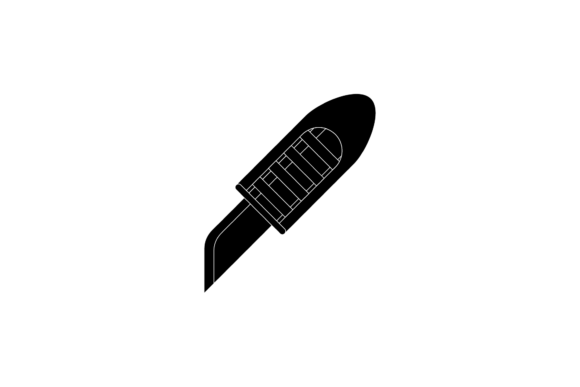
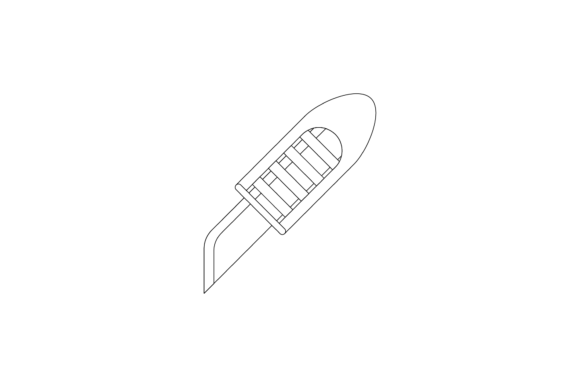
Planning a back-to-school project often starts with finding the right visual element. Whether you are creating classroom materials, promotional content, or personal crafts, a well-crafted design can set the tone. The Back to School Cutter Outline is a digital design set that provides clean, ready-to-use vector and raster files for a range of applications. It includes six file formats — AI, EPS, SVG, DXF, JPG, and PNG — on a 1920x1280 pixel canvas. This variety makes it accessible whether you work with professional design software, a home cutting machine, or simple image editors.
What the Back to School Cutter Outline Actually Offers
At its core, this product is a collection of outline-style graphics centered on the back-to-school theme. The files are designed to be edited, scaled, and customized without losing quality. The AI and EPS formats suit vector editing in programs like Adobe Illustrator or CorelDRAW. The SVG and DXF files are ideal for cutting machines such as Cricut or Silhouette. The JPG and PNG versions work for quick use in presentations, social media, or print documents. Having all six formats in one download means you are covered regardless of your workflow.
Different users will value different aspects of this set. A teacher might prioritize the PNG format for immediate use in a newsletter. A craft business owner may lean on the SVG files for producing vinyl decals. A graphic designer could appreciate the AI file for layering into a larger composition. The same product serves multiple entry points depending on what you need to accomplish.
Why Different Audiences Care About This Design Set
The value of any digital design resource depends on your context. For a busy parent preparing school supplies or a small business owner creating seasonal merchandise, time matters. Having a pre-made outline that is ready to drop into a project saves hours of drawing from scratch. For a hobbyist who enjoys paper crafting or scrapbooking, the appeal lies in the clean lines and scalability. You can resize the outline to fit a notebook cover or a greeting card without pixelation.
Professionals like marketers or publishers may evaluate the set for its consistency. If you are producing a series of back-to-school ads or blog graphics, using the same outline style across materials builds visual coherence. The vector formats allow you to change colors, adjust thickness, or combine elements with other designs. This flexibility is a significant advantage over a static clip art image.
Beginners, on the other hand, might focus on ease of use. If you are new to digital design or cutting machines, the included JPG and PNG files offer a low-barrier entry point. You can use them immediately without learning vector software. The SVG and DXF files also come with straightforward instructions, making them accessible even if you have never used a cutting machine before.
How Beginners Can Get Started
If you are new to using digital design files, start with the PNG version. This format works like any standard image: you can insert it into Word, Google Docs, Canva, or even a simple photo editor. Open the file, place it where you want, and adjust the size. The transparent background makes it easy to layer over other images or colored paper.
For those exploring cutting machines, the SVG format is your friend. Most machines accept SVG files directly. Upload the file to your design software, resize it to your preferred dimensions, and set the cutting parameters. The outline style is particularly forgiving because it does not rely on intricate fills or gradients. You get crisp cuts even if you are still learning your machine’s settings.
A beginner-level project might involve creating custom labels for notebooks or folders. Download the PNG file, add your child’s name or a classroom subject using a simple editor, and print onto sticker paper. The result looks polished without requiring advanced skills.
How Experienced Users and Professionals Leverage the Files
Experienced designers will likely gravitate toward the AI or EPS files. These vector formats let you deconstruct the outline, edit anchor points, and combine the artwork with other vectors in your library. You can change stroke weights, add fills, or use the outline as a mask for patterns or gradients. The 1920x1280 canvas size provides a reasonable working area, and scaling up for larger print projects is seamless with vector data.
For small business owners who sell custom products, the commercial potential is clear. Use the SVG files to create iron-on transfers for t-shirts or tote bags. Cut the DXF files into adhesive vinyl for water bottles or laptop skins. The outline style appeals to buyers looking for clean, modern school-themed designs. Because you control the final colors and materials, you can differentiate your products while saving design time.
Marketing professionals might embed the JPG files into email campaigns or social media graphics. The outline aesthetic works well as a subtle background element or a bold foreground shape. Pair it with a short headline like "Ready for School" and a call-to-action button. The consistent visual theme across platforms reinforces brand recognition.
Ease of Use
If your main consideration is how quickly you can start using the files, the JPG and PNG formats require zero learning. Open and use. The SVG and DXF files have a slight learning curve if you are new to cutting machine software, but most modern tools support drag-and-drop import. The AI and EPS formats assume familiarity with vector editing programs. Overall, the range ensures that whatever your comfort level, there is a format that matches it.
Cost and Value
Compared to hiring a designer or purchasing individual stock images, a bundled set like this offers strong value. You get six formats in one purchase. For a hobbyist making a few projects a year, the cost is minimal relative to the time saved. For a business using the designs across dozens of products, the per-use cost drops significantly. The scalability of vector files also means you are not limited to a single size or resolution.
Quality and Flexibility
Outline designs are inherently versatile. They work on light or dark backgrounds depending on how you color them. They can be printed, cut, embossed, or used as stencils. The quality of the outline matters: clean curves, consistent stroke widths, and recognizable school motifs. Before purchasing, look for preview images or sample files to confirm the style matches your taste. The digital nature means you can test the files in your software immediately after downloading.
Creativity and Learning Value
For educators or parents using the files for children’s activities, the outlines double as coloring pages or tracing exercises. Print the JPG version on standard paper and let kids decorate them with crayons or markers. This turns a design resource into a learning tool. For adults learning vector software, the AI files provide ready-made objects to practice editing. Open the file, experiment with the pen tool, or try changing stroke properties without needing to draw from scratch.
Long-Term Usefulness
Back-to-school themes are seasonal, but the files can be repurposed. The outline style may work for classroom decorations, homework folders, or even party invitations. If you store the files properly, they remain usable year after year. Vector formats do not degrade over time or with repeated copying. This makes the set a durable asset rather than a one-time purchase.
Practical Examples for Different User Types
For the teacher: Download the PNG file and insert it into a welcome letter to parents. Add a text box with your name and room number. Print on colored paper for a warm first impression.
For the small business owner: Open the SVG file in your cutting software. Create a batch of iron-on transfers for tote bags. Offer a limited back-to-school collection on your online shop. Because you can resize the design, test it on different product sizes without paying for new artwork.
For the hobbyist scrapbooker: Print the JPG file onto adhesive paper. Cut out the shape with scissors or a precision knife. Use it as a layered element on a scrapbook page documenting the first day of school.
For the graphic designer: Import the EPS file into your layout software. Use the outline as a decorative border for a brochure. Adjust the stroke color to match your brand palette. Scale it to fill a full page or a small icon.
For the parent: Open the PNG file in a simple photo editor. Add your child’s name in a fun font. Print onto sticker paper and attach to a lunchbox or water bottle. It takes five minutes and adds a personal touch to school gear.
Does This Resource Match Your Goals?
If you need a clean, adaptable back-to-school graphic that works across digital and physical formats, this set supports that. It is not a full design system with dozens of variations or a complex template. It is a focused collection of outline files meant to be customized and reused. Your skill level matters less than your willingness to experiment. Beginners can start with the simplest format and grow into the vector files as their confidence increases. Experienced users can jump straight into the AI or EPS files and integrate them into larger workflows.
Consider what you plan to create. If the answer involves cutting, printing, or editing a school-themed shape, the Back to School Cutter Outline likely fits. If your project requires highly detailed illustrations or photo-realistic art, this may not be the right match. Outline styles thrive in contexts where simplicity, clarity, and scalability are valued.
The best way to evaluate is to download the files and test them against your specific use case. Open the PNG for an instant visual check. Import the SVG into your cutting software to verify cut paths. The formats are standard, so compatibility is generally strong across modern applications. If the design matches your aesthetic and the formats work with your tools, you have a resource that can support multiple projects now and in future school seasons.
Ultimately, a digital design resource is only as good as the projects it enables. This set provides a starting point. What you add — your colors, your text, your materials — transforms it into something personal or commercial. The outline is the foundation; your creativity builds the rest.