Back to School Kawaii Dictionary Outline: A Creative Resource for Organizing and Inspiring Classroom Projects
Getting ready for a new school year often comes with a mix of excitement and a long to-do list. For educators, parents, and creative professionals alike, finding tools that combine practicality with a touch of fun can make all the difference. The Back to School Kawaii Dictionary Outline offers exactly that—a versatile set of digital files designed to bring a playful, cute aesthetic to classroom materials, homeschool resources, and personal projects. Whether you are a teacher setting up your classroom, a parent helping a child prepare, or a designer crafting educational products, this resource provides a structured yet customizable foundation for your work.
What Is the Back to School Kawaii Dictionary Outline?
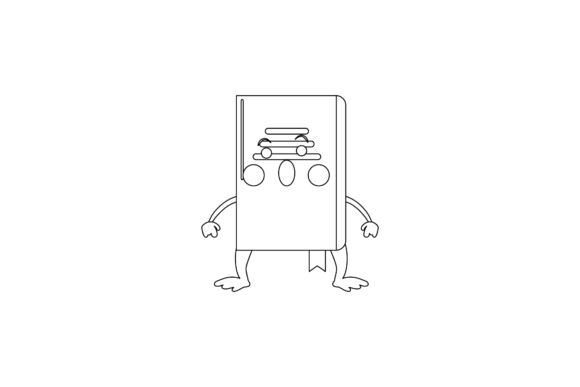
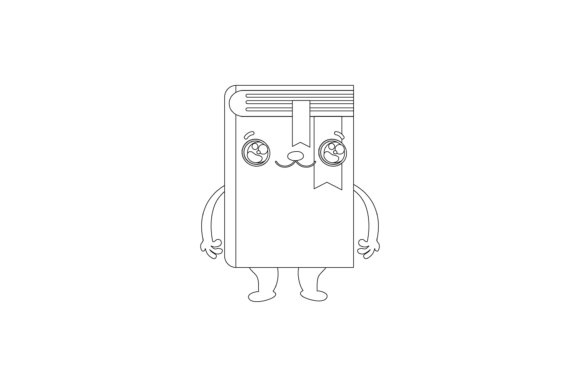
At its core, the Back to School Kawaii Dictionary Outline is a collection of six digital files that feature a canvas size of 1920 by 1280 pixels. The files come in AI, EPS, SVG, DXF, JPG, and PNG formats, making them accessible for a wide range of software and uses. The term "kawaii" refers to the Japanese culture of cuteness, and this outline embraces that style with whimsical, school-themed illustrations that are easy to edit and incorporate into your designs. The outline format means the images are primarily line art, which is ideal for coloring pages, cutting machines, stickers, or as a base for you to add your own colors and text.
This product is more than just a set of graphics. It is a toolkit for anyone who wants to add a cohesive, charming look to back-to-school materials without starting from scratch. The files are delivered in multiple formats so that regardless of whether you use Adobe Illustrator, Cricut Design Space, or a simple photo editor, you can open and edit the designs with ease.
Common Challenges and Needs Around Back-to-School Preparation
The back-to-school season is a busy time. Teachers are often scrambling to create engaging bulletin boards, worksheets, and labels that capture students’ attention. Parents want to help their children feel excited and organized, but may lack the design skills or time to create custom materials from scratch. Homeschool educators need resources that are flexible enough to fit various lesson plans and age groups. And for small business owners or Etsy sellers, the demand for cute, printable school supplies and decorations spikes in late summer, making a reliable, editable template a valuable asset.
Many people struggle with finding designs that are both visually appealing and easy to adapt. Stock images can be generic or require complex editing. Additionally, the need for files that work across different software and machines (like cutting plotters or laser engravers) can be a hurdle. The Back to School Kawaii Dictionary Outline directly addresses these pain points by offering editable, print-ready, and cut-ready files in a popular style.
How This Resource Helps Address Specific Situations
One of the primary ways the Back to School Kawaii Dictionary Outline helps is by saving you time. Instead of drawing your own kawaii school supplies—pencils, apples, books, backpacks—you can open the provided files and start customizing immediately. The 1920x1280 canvas size is large enough for most print projects, whether you are creating a poster, a coloring page, or a digital sticker set.
For teachers, the outline format is particularly useful for creating coloring activities that reinforce vocabulary or school routines. You can print the PNG or JPG files directly, or edit the AI or EPS files in software like Adobe Illustrator to add your own labels, directions, or school name. The kawaii style often appeals to younger students, making mundane tasks like learning classroom rules or practicing handwriting feel more playful.
For parents helping children prepare for school, the Back to School Kawaii Dictionary Outline can be used to make personalized subject dividers, lunchbox notes, or homework trackers. Because the files come in SVG and DXF formats, they are ready to use with cutting machines such as Cricut or Silhouette. You could cut vinyl decals for a water bottle or a binder, or use the outline as a stencil for fabric paint on a backpack. The flexibility is immense, and the learning curve is minimal.
Designers and small business owners can use the files as a base for creating sellable products. The outlines are clean and well-structured, which means they can be resized, recolored, or combined with other elements without losing quality. Since the files are delivered in multiple formats, you can offer your customers a variety of product types—digital downloads, physical prints, or cut files—all starting from the same source.
Practical Applications and Outcomes
Let’s look at some concrete ways this resource can be used in real life:
- Classroom Decor: Use the SVG or DXF files with a cutting machine to create bulletin board borders, door signs, or name tags with a cohesive kawaii theme. The outline style ensures that the designs are crisp and easy to read from a distance.
- Coloring Pages: Print the JPG or PNG files for a calm-down corner or a first-day-of-school activity. You can also edit the AI file to add tracing words or simple math problems inside the illustrations, combining coloring with learning.
- Digital Stickers: Open the PNG file (which has a transparent background) and import it into a sticker-making app or software. You can add these to digital lesson plans, student rewards charts, or even personal planners.
- Customized Stationery: Use the EPS or AI files to create personalized notebook covers, pencil case inserts, or binder spines. The large canvas size allows for high-resolution printing on standard letter or A4 paper.
- Homeschool Materials: Homeschool parents often appreciate resources that can be used across multiple subjects. The kawaii dictionary outline can be incorporated into vocabulary worksheets, spelling lists, or even as illustration prompts for creative writing.
The outcomes are tangible. Users report feeling more organized and less stressed when they have a design resource that is ready to go. Teachers note increased student engagement when materials have a fun, consistent theme. Parents enjoy the ability to create something unique for their child without needing professional design skills. And business owners value the commercial potential of having a versatile, editable set of files.
Examples and Recommendations for Different Users
Not every user will approach the Back to School Kawaii Dictionary Outline in the same way, and that is a strength. Here is how different user groups might get the most out of it:
- Teachers (Preschool through Elementary): Focus on the JPG and PNG files for quick printing. Use the SVG files if you have access to a cutting machine for creating manipulatives or hands-on learning aids. Consider laminating the coloring pages for reusable activities.
- Parents of School-Aged Children: Start with the PNG files for easy printing at home. As you become more comfortable, explore the SVG or DXF files for making custom labels for lunchboxes, water bottles, and school supplies. The AI file is great if you want to add your child’s name to a design.
- Homeschool Educators: Use the EPS file for flexibility across different software. The outline style works well for unit studies, especially when paired with a dictionary-style layout. You can create your own “word of the day” cards or subject-specific reference sheets.
- Small Business Owners and Etsy Sellers: Leverage the AI file to make product variations quickly. Offer the outlines as standalone digital downloads, or combine them into bundles with other kawaii resources. The DXF format ensures compatibility with the largest segment of cutting machine users.
- Crafters and Hobbyists: The SVG file is your best friend. It can be scaled up or down without losing detail, perfect for making stickers, iron-on transfers, or even 3D papercraft projects. The 1920x1280 canvas gives you room to work with.
A useful recommendation is to start with the format that matches your most frequent activity. If you print the most, JPG and PNG are your go-to. If you cut materials, prioritize SVG and DXF. And if you want maximum editability, AI and EPS give you full control over vectors and layers.
Considerations for Best Results
To get the most out of the Back to School Kawaii Dictionary Outline, keep a few practical tips in mind:
- Check Software Compatibility: Before purchasing, verify that your software can open the formats you need. AI and EPS require vector editing programs like Adobe Illustrator or Affinity Designer. SVG and DXF are more widely supported across free tools like Inkscape or design programs for cutting machines.
- Use the Canvas Size Wisely: The 1920 by 1280 pixel canvas is landscape-oriented. This is great for banners, posters, and wide layouts. If you need a square or portrait orientation, you can easily crop or adjust the canvas in your editing software.
- Outline Style Means Personalization: Because these are outlines, they are meant to be filled. Encourage children to color inside the lines, or use the outlines as stencils. The simplicity of the line art makes it approachable for all skill levels.
- Combine with Other Resources: The kawaii dictionary outline works well alongside your own text or graphics. Consider adding letter tracing, number practice, or simple labels to create a more comprehensive learning tool.
- Respect Copyright: The product is delivered as a digital download ready for your use. Check the license terms for commercial use if you plan to sell products made from the files. Most designers allow you to use the files in your own creations, but redistribution of the raw files is usually not permitted.
Focusing on Usefulness and Implementation
The true value of the Back to School Kawaii Dictionary Outline lies in its adaptability. Rather than being a static set of images, it is a springboard for countless projects that meet real needs. The challenges of time, design skill, and variety are all addressed by having a single, well-made resource that works across many platforms and use cases.
For the busy teacher, it means one less thing to create from scratch. For the parent, it means being able to contribute to their child’s school experience in a creative way. For the designer, it means having a reliable foundation for new products. The kawaii aesthetic is not just about cuteness; it is about making the school environment warmer, more inviting, and more personal.
When you implement this resource, you are not just using a file—you are saving time, reducing stress, and adding a touch of joy to the back-to-school season. Whether you choose to print, cut, or edit, the Back to School Kawaii Dictionary Outline provides a practical, creative solution that puts you in control.
Consider starting with a single project, like a custom binder cover for your child or a set of classroom labels for your bulletin board. As you become familiar with the files and formats, you will likely find even more ways to incorporate the outlines into your routine. The key is to let the resource work for you, adapting it to your specific needs and goals.
Ultimately, the back-to-school season is about preparation and possibility. With the right tools in hand, you can meet the challenges head-on and create an environment that supports learning, creativity, and a sense of belonging. The Back to School Kawaii Dictionary Outline is one such tool, and its practical applications are limited only by your imagination.