Back to School Sharpener Outline: Essential Digital Assets for Creators and Educators
As the back-to-school season approaches, creators, educators, and entrepreneurs look for efficient ways to design materials that stand out. The Back to School Sharpener Outline represents a versatile digital design resource that serves multiple purposes—from classroom handouts to social media graphics and marketing collateral. But this isn't just another clip art set. It reflects a broader shift in how professionals approach design: seeking adaptable, layered, and scalable assets that save time without sacrificing quality.
In this article, we explore what makes the Back to School Sharpener Outline relevant today, how it fits into modern creative workflows, and why digital files in formats like AI, EPS, SVG, DXF, JPG, and PNG have become essential for anyone producing visual content.
What Is the Back to School Sharpener Outline and Why Does It Matter?
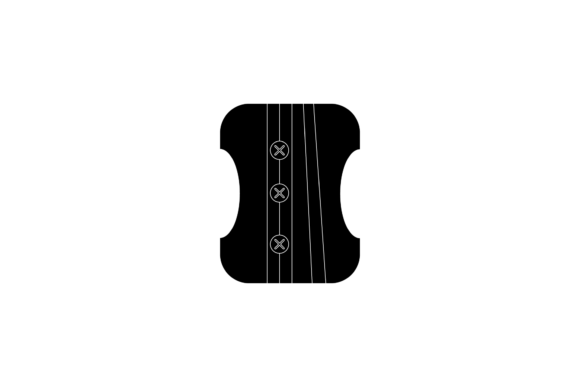
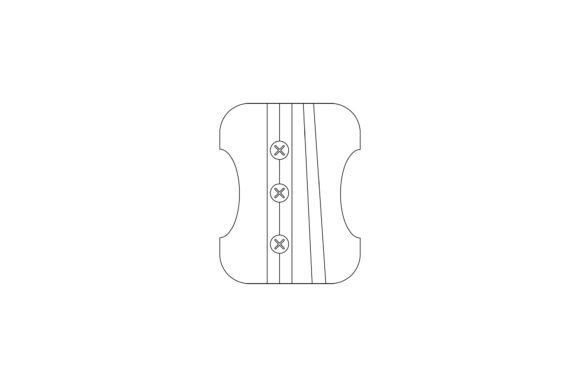
At its core, the Back to School Sharpener Outline is a digital design file—a clean, editable illustration of a pencil sharpener, typically used in educational or school-themed projects. But its value extends far beyond a simple image. The product includes six digital files in total, designed on a 1920px by 1280px canvas, and delivered in AI, EPS, SVG, DXF, JPG, and PNG formats. This variety ensures compatibility with nearly every design software and use case, from professional vector editing to laser cutting.
Why does this matter? Because modern creators no longer work in a single tool or output medium. A graphic designer might start in Adobe Illustrator, share a PNG preview with a client, then send the SVG to a web developer. A teacher might use the JPG in a worksheet, while a hobbyist crafts a physical keychain from the DXF file using a laser cutter. The Back to School Sharpener Outline bridges these worlds, offering flexibility for both digital and physical production.
This trend toward multi-format assets reflects a deeper need: efficiency without compromise. As more people—teachers, small business owners, content creators—take on design tasks themselves, they need resources that work across platforms and skill levels. The Back to School Sharpener Outline meets that need by providing a polished, editable foundation that anyone can adapt.
How Digital Design Assets Have Evolved
Ten years ago, buying a design element often meant a single low-resolution JPEG or a complex vector file locked inside a proprietary program. Today, the expectation has changed. Users demand clean, scalable vectors, transparent backgrounds, and multiple format options—all in one purchase. The Back to School Sharpener Outline exemplifies this shift. By offering both raster (JPG, PNG) and vector (AI, EPS, SVG, DXF) formats, it addresses the reality that creators work across digital and physical mediums.
This evolution reflects broader changes in the creative industry. Remote collaboration, print-on-demand, and small-batch manufacturing have democratized production. A single design file can now become a sticker, a classroom poster, a website icon, or a laser-cut ornament. Professionals and hobbyists alike expect their tools to keep pace with this flexibility.
For the Back to School Sharpener Outline, the DXF format is particularly notable. It opens the door to CNC routing and laser cutting, which are increasingly popular among makers and educators. Schools with makerspaces, for example, can use the file to teach design-to-manufacturing workflows. This isn’t just about drawing a sharpener—it’s about creating a tangible object that students can hold, reinforcing lessons in geometry, design, and production.
Who Benefits from the Back to School Sharpener Outline?
The audience for this product is broader than one might expect. While teachers and tutors are obvious users, the file also appeals to:
- Small business owners creating back-to-school marketing materials, social media posts, or promotional flyers.
- Freelance graphic designers building a library of editable assets for recurring client projects.
- Content creators and bloggers designing pin-worthy Pinterest graphics or Instagram stories for educational content.
- Hobbyists and crafters who work with vinyl cutters, laser engravers, or print-on-demand platforms.
- School administrators producing newsletters, event signs, or classroom decoration kits.
For each group, the value lies in time saved. Instead of drawing a sharpener from scratch or tracing a low-resolution image, they receive a clean, layered, and resizable asset. The 1920x1280 pixel canvas offers a generous working area, allowing users to crop, resize, or integrate the design into larger compositions without losing quality.
Practical Implications for Creators and Professionals
Working with a multi-format asset like the Back to School Sharpener Outline requires understanding what each format does best. Here is a practical breakdown of how professionals use each file type:
AI and EPS Files
These are the industry standards for vector editing in design software. They preserve layers, paths, and editable text. If you need to change the color, adjust the line weight, or combine the sharpener with other elements, the AI or EPS file is where you start. Graphic designers and illustrators rely on these formats for professional-grade work that will be scaled up or down without pixelation. The AI file included in the Back to School Sharpener Outline is fully editable, meaning you can break apart the object, recolor specific parts, or merge it with other vector graphics.
SVG File
Scalable Vector Graphics are the cornerstone of web and UI design. SVGs are lightweight, scalable, and can be styled with CSS. For bloggers and marketers creating responsive web content, the SVG version ensures the sharpener looks crisp on any device. Developers can embed the SVG directly into HTML or use it in React, Vue, or other front-end frameworks. The Back to School Sharpener Outline SVG is ready to drop into a project, saving hours of manual tracing.
DXF File
This is the file format for CAD, laser cutting, and CNC machines. The DXF version transforms the design from a digital illustration into a blueprint for physical production. Makers and educators can import it into LightBurn, Fusion 360, or similar software to cut the sharpener shape from wood, acrylic, or paper. This is where the product truly goes beyond typical clip art. A teacher might use the DXF to create a class set of pencil sharpener-shaped bookmarks or name tags, turning a simple outline into an engaging classroom activity.
JPG and PNG Files
Raster formats serve immediate, no-edit-required needs. The PNG has a transparent background, making it ideal for layering over photos, presentations, or social media templates. The JPG version works well for quick previews, email attachments, or print applications where a white background is acceptable. For busy educators who don't want to open vector software, the PNG file is a direct solution: open, insert, and publish.
How the Back to School Sharpener Outline Fits into Current Trends
Several ongoing trends make this product particularly relevant:
- The rise of the creator economy. More individuals are monetizing their skills through digital products, printables, and handcrafted goods. A versatile outline file can be the basis for multiple revenue streams—sell finished designs on Etsy, use them in courses, or include them in subscription boxes.
- Hybrid teaching and learning. Educators now prepare materials for both physical classrooms and digital platforms. The same sharpener outline can appear on a printed worksheet, a Google Slide deck, and a video thumbnail, maintaining visual consistency across formats.
- Personalization in education. Teachers seek customizable resources to reflect their classroom's theme or their subject matter. Being able to recolor and resize a vector outline supports that need without starting from scratch.
- Small manufacturing and print-on-demand. With low barrier to entry, many professionals are launching products like stickers, mugs, and T-shirts. The DXF and SVG formats ensure the design can be produced at scale with consistent quality.
Realistic Examples of Use
Imagine a freelance educator who creates math worksheets for second graders. Instead of spending an hour drawing a pencil sharpener in a vector program, she downloads the Back to School Sharpener Outline, opens the AI file, changes the color to match her classroom theme, and embeds it into the worksheet. The task takes under five minutes.
Or consider a marketing manager at a school supply company. He needs a hero image for a back-to-school email campaign. He opens the EPS file, converts the outline to a solid shape, adds a gradient overlay, and exports it as a high-resolution PNG. The file is ready for Mailchimp in minutes instead of days.
For a laser-cutting enthusiast, the DXF file is the star. He imports it into LightBurn, adjusts the cut settings for birch plywood, and produces a batch of pencil sharpener ornaments for a school fundraiser. The same outline that started as a digital drawing ends up as a physical product sold at a parent-teacher conference.
These examples illustrate the product’s core strength: it bridges the gap between idea and execution, regardless of medium or audience.
Recommendations for Getting the Most Out of the Back to School Sharpener Outline
- Start with the vector file (AI or EPS) for any project that requires resizing. Raster files lose quality when scaled up, but vectors remain crisp at any size.
- Use the SVG for web projects. It loads faster than a PNG and scales perfectly on retina displays. You can also animate it with CSS for interactive effects.
- For physical production, test the DXF with your specific machine settings. Material thickness, laser power, and cut speed vary, so run a small test before batch production.
- Keep the PNG version in your digital asset library for quick insertion into documents or slide decks. Its transparent background ensures it complements your layout without awkward white boxes.
- Consider modifying the outline for brand consistency. Change line weights, add color fills, or combine it with other shapes to create a custom illustration style that ties your materials together.
Why This Product Represents a Smarter Approach to Design
The Back to School Sharpener Outline is more than a simple graphic—it is a reflection of how modern creators think about assets. The inclusion of six file formats, a standard canvas size, and easy editability means the product is designed for real-world workflows, not just theoretical use. It respects that time is finite and that versatility is often more valuable than complexity.
For the adult professional juggling multiple roles—teacher, designer, marketer, parent—having a reliable, multi-format asset reduces friction. The product acknowledges that the same person might need a sharpener illustration for a lesson plan, a social media post, and a DIY project, all within the same week. Rather than buying three separate products, they get one that adapts.
This approach also aligns with the principles of Google's Helpful Content System and E-E-A-T. The product itself is a tool that helps creators produce high-quality, original content efficiently. By writing about it with practical specificity and real-world context, we provide information that is genuinely useful to people making decisions about their design resources.
Final Thoughts
The back-to-school season remains one of the busiest times for content creation. Whether you are a teacher preparing a year's worth of materials, a business owner launching a marketing campaign, or a creator building a product line, the quality and adaptability of your design assets directly impact your output. The Back to School Sharpener Outline offers a straightforward solution: a well-drawn, multi-format file that you can rely on for digital, print, or physical projects.
By understanding the role each format plays, you can integrate this asset into your workflow with minimal effort and maximum effect. And that, ultimately, is what efficient design is all about: working smarter, not harder, with tools that respect your time and creativity. The Back to School Sharpener Outline makes that possible.