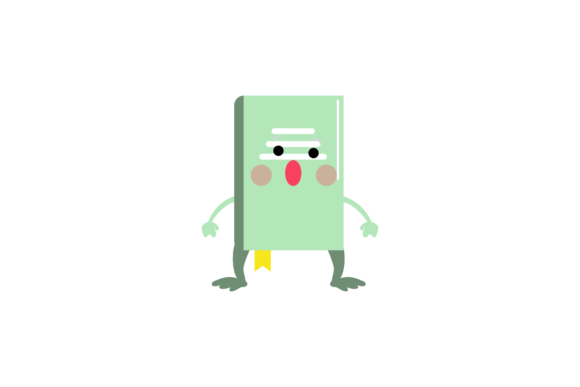
Understanding the Back to School Kawaii Book and How to Use Digital Craft Files
As the back-to-school season approaches, many teachers, parents, and creators look for fresh, engaging ways to make learning materials and classroom supplies more inviting. One design trend that has gained significant traction in recent years is the kawaii aesthetic—a Japanese-inspired style centered on cuteness, bright colors, and playful characters. When combined with a classic school motif like a book, the result is the Back to School Kawaii Book design: a versatile digital graphic that can be adapted for everything from stickers and labels to classroom decor and educational resources.
But what exactly is a Back to School Kawaii Book design, and how can you use the digital files that come with it? If you have downloaded or are considering purchasing a set like the one described—featuring six file formats including AI, EPS, SVG, DXF, JPG, and PNG on a 1920×1280 pixel canvas—you may be wondering how to make the most of these assets. This article will walk you through everything you need to know, from the meaning behind the kawaii style to practical steps for using each file type in real-world projects.
What Is a Back to School Kawaii Book Design?
At its core, a Back to School Kawaii Book design is a digital illustration that depicts a book—or a book-themed element—rendered in the signature kawaii style. That typically means rounded shapes, smiling faces on objects, pastel or vibrant colors, and an overall cheerful, approachable look. The book might be shown with a happy expression, surrounded by school-related icons like pencils, apples, stars, or backpacks, all drawn with the same cute, whimsical treatment.
These designs are created to appeal to children and adults alike. For younger students, a kawaii book design can make reading and learning feel less intimidating and more like play. For teachers, it offers a way to decorate classrooms, create reward stickers, design bulletin boards, or personalize handouts with a warm, friendly touch. For parents and homeschoolers, it provides a ready-made graphic that can be printed onto labels, bookmarks, or chore charts. And for small business owners, it becomes a marketable asset for creating stationery, party supplies, or digital products on platforms like Etsy or Teachers Pay Teachers.
The Rise of Kawaii in Educational Contexts
Kawaii, which translates to "cute" in Japanese, has evolved far beyond its origins in anime and manga culture. Today, it influences fashion, home decor, branding, and even education. Schools and educators have embraced kawaii elements because they foster a positive emotional connection to materials. When a worksheet or a classroom sign features a smiling book character, students often respond with greater enthusiasm and engagement. This is not just about aesthetics—research in educational psychology suggests that visually appealing, emotionally warm materials can reduce anxiety and improve motivation, especially in early childhood settings.
The Back to School Kawaii Book design sits at the intersection of this trend. It combines the familiar symbol of a book—representing knowledge, reading, and study—with the uplifting energy of kawaii art. The result is a graphic that communicates both purpose and playfulness, making it a powerful tool for anyone involved in teaching, parenting, or creative production.
Understanding the Digital File Formats: What You Get
One of the most valuable aspects of a digital design pack like the Back to School Kawaii Book is the variety of file formats included. Each format serves a different purpose, and knowing how to use them can significantly expand what you can create. The product in question includes six files: AI, EPS, SVG, DXF, JPG, and PNG, all at a canvas size of 1920×1280 pixels. Let's break down what each one means and when to use it.
AI and EPS Files: Vector Graphics for Professionals
AI (Adobe Illustrator) and EPS (Encapsulated PostScript) are vector file formats. Unlike standard images made of pixels, vector graphics are built from mathematical paths. This means they can be scaled to any size—from a tiny sticker to a giant banner—without losing quality or becoming blurry. If you are a graphic designer, a crafter using cutting machines, or someone who needs to resize the design frequently, these formats are essential.
- AI files are native to Adobe Illustrator. They preserve layers, colors, and editable elements, making them ideal for customization. You can change the color of the book, adjust the expression, or combine it with other elements.
- EPS files are a more universal vector format that can be opened in many design programs, including CorelDRAW, Affinity Designer, and even some free alternatives like Inkscape. They are widely compatible and easy to share with collaborators.
If you have access to vector editing software, these files give you complete creative control. You can tweak the design to match your school colors, resize it for different print projects, or extract individual elements to use separately.
SVG and DXF Files: Cutting Machines and Scalable Projects
SVG (Scalable Vector Graphics) and DXF (Drawing Exchange Format) are also vector-based, but they are particularly important for users of electronic cutting machines like Cricut, Silhouette Cameo, or Brother ScanNCut. These machines read SVG or DXF files to cut paper, vinyl, fabric, or other materials with precision.
- SVG files are widely supported in design and cutting software. They are perfect for creating stickers, iron-on transfers, cardstock shapes, and layered paper crafts. Because the Back to School Kawaii Book is a continuous design, an SVG file allows the cutting machine to trace the outline and cut exactly along the edges of the book and its features.
- DXF files are another cutting-friendly format, often used with Silhouette Studio and other CAD-like programs. They offer similar functionality to SVG and serve as a reliable backup if your software prefers one format over the other.
Having both SVG and DXF means you are covered regardless of which machine or software you use. This flexibility is a major advantage for crafters who want to produce physical items like bookmarks, pencil case decorations, or classroom labels.
JPG and PNG Files: Ready-to-Use Raster Images
For quick and simple use, the JPG and PNG formats are included.
- JPG is a compressed image format suitable for digital displays, email attachments, or basic printing. It is a good choice for inserting into a Word document, a Google Slide presentation, or a social media post, but it does not support transparency.
- PNG is the more versatile option for most creative projects because it supports transparent backgrounds. This means the book design can be placed onto any colored background without a white box around it. PNG files are ideal for layering in digital scrapbooking, creating profile pictures, or designing classroom handouts where the graphic needs to blend seamlessly with the page.
At 1920×1280 pixels, both raster files offer high resolution suitable for printing at reasonable sizes—typically up to about 6.4 by 4.3 inches at 300 DPI, which is more than enough for stickers, labels, and small posters.
Practical Uses for the Back to School Kawaii Book Design
Now that you understand the files, let's explore how you can apply this design in real-world scenarios. The possibilities are broad, and the kawaii aesthetic makes the design suitable for both digital and physical creations.
Classroom and Educational Materials
Teachers can use the PNG or JPG file to add a cute book icon to worksheets, reading logs, or behavior charts. Print the SVG onto adhesive vinyl to create cheerful labels for classroom bins, book baskets, or student cubbies. The DXF file can cut the design from cardstock to make bulletin board decorations that welcome students back with a smile. Even a simple book-themed name tag becomes more inviting when it features a kawaii book character.
Party and Event Decor
If you are organizing a back-to-school party, a meet-the-teacher event, or a literacy night, the Back to School Kawaii Book design can be used for invitations, cupcake toppers, banners, and party favors. The vector files allow you to scale the design to any size, so you can create a large welcome sign or a small gift tag from the same source.
Small Business and E-Commerce Products
For entrepreneurs, this design can be turned into saleable items. Print the PNG onto sticker paper and sell sheets of kawaii book stickers. Use the SVG to make iron-on transfers for tote bags or t-shirts. Create digital planners or reading journals featuring the design as a cover element. The commercial appeal of kawaii is strong, especially among parents and educators looking for cute, affordable resources.
Personal and Home Use
Parents can use the design to personalize school supplies for their children. Print the JPG onto label paper for water bottles, lunch boxes, and notebooks. Craft a homemade bookmark using the SVG cut from cardstock. Even a simple desk nameplate becomes special with a smiling book character.
Common Misunderstandings About Digital Craft Files
If you are new to digital crafting or buying design files, a few misconceptions are worth clearing up.
Misunderstanding 1: "A JPG is enough for everything."
While JPG works for basic use, it lacks transparency and scalability. For cutting machines or large prints, vector formats like SVG or AI are far superior because they maintain crisp edges at any size.
Misunderstanding 2: "All file formats work the same way."
Each format has a specific best use. Using a DXF file in a photo editor will not give good results, and using a JPG in a cutting machine may lead to poor cut lines. Knowing which file to open in which program saves time and frustration.
Misunderstanding 3: "You need expensive software to use these files."
While AI files are best used with Adobe Illustrator, many free or low-cost programs can open SVG, EPS, and DXF files. Inkscape (free), Silhouette Studio (free version), and Canva (freemium) are popular options that handle these formats well.
Misunderstanding 4: "Kawaii is only for young children."
In reality, kawaii design appeals to a wide age range. Teens, adults, and even professionals enjoy cute aesthetics in bullet journals, digital planners, and home decor. The Back to School Kawaii Book is versatile enough for any age group when styled appropriately.
How to Get Started with Your Files
If you have just downloaded your Back to School Kawaii Book files, here is a simple workflow to help you begin:
- Unzip the folder if the files are compressed. Locate each of the six formats.
- Open the PNG file first for a quick preview. This gives you an instant look at the design without needing special software.
- For printing: Use the PNG file for most print tasks. Insert it into a document, presentation, or design tool like Canva or Microsoft Word. Adjust the size as needed—the 1920×1280 resolution provides flexibility.
- For cutting machines: Import the SVG file into your machine's design software (Cricut Design Space, Silhouette Studio, etc.). If your software prefers DXF, use that instead. Scale the design to your desired dimensions and proceed with cutting.
- For customization: Open the AI or EPS file in a vector editing program. Change colors, add text, remove elements, or combine the book with other graphics. Save your edited version in the format you need.
- For digital use: Use the PNG with transparent background to overlay on photos, social media graphics, or digital planners.
Why the Back to School Kawaii Book Matters in Modern Creativity
In an era where personalization and visual warmth are highly valued, having access to flexible, high-quality digital assets is a game-changer. The Back to School Kawaii Book design is more than just a cute graphic—it is a tool for communication, engagement, and creative expression. Whether you are a teacher trying to make your classroom feel welcoming, a parent helping your child get excited about reading, or a small business owner building a brand around joy and learning, this design offers a starting point that is both practical and delightful.
The inclusion of six different file formats ensures that no matter your technical skill level or preferred workflow, you can use the design effectively. The thoughtful canvas size of 1920×1280 pixels balances quality with manageability, making the files suitable for both digital and print projects without unnecessary bloat.
As you explore the possibilities, remember that the kawaii aesthetic is about more than just cuteness—it is about creating an emotional connection. A smiling book invites curiosity, reduces resistance, and makes the act of going back to school feel a little lighter. In a world where educational resources can sometimes feel sterile or overwhelming, that small dose of joy can make a meaningful difference.
Final Thoughts
The Back to School Kawaii Book design, delivered as a complete set of AI, EPS, SVG, DXF, JPG, and PNG files, is a versatile resource for anyone involved in education, crafting, or creative entrepreneurship. By understanding what each file type does and how to apply it, you unlock the full potential of the design. Whether you print it, cut it, or customize it, this little book with its kawaii charm can help you create materials that are not only functional but also genuinely fun.
So unzip your files, pick your favorite format, and start turning that smiling book into something your students, children, or customers will love. The only limit is your imagination—and with a design this cute, the ideas will come easily.