Embracing the Charm of Kawaii Doodle Cartoon Back to School Design
As the academic year approaches, educators, content creators, and families search for fresh ways to make learning environments feel inviting and fun. One trend that has steadily gained traction is the use of hand-drawn, whimsical artwork. Among the most versatile and beloved styles is the Kawaii Doodle Cartoon Back to School aesthetic, which blends Japanese-inspired cuteness with the familiar symbols of education. This design approach offers more than just visual appeal; it provides a toolkit for communication, engagement, and creative expression across multiple platforms.
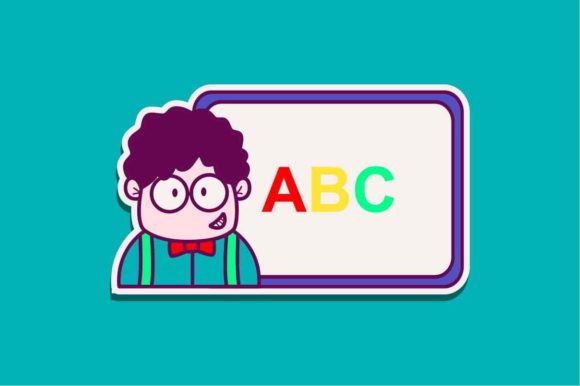
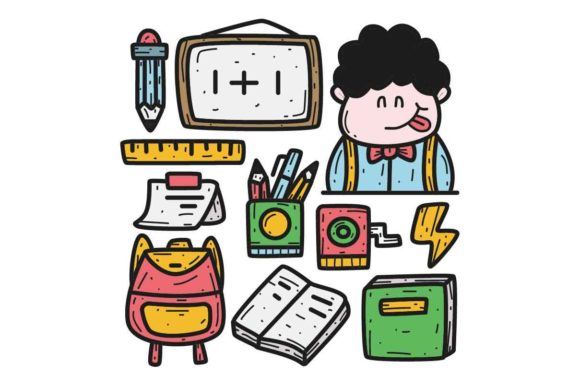
The term “kawaii” translates to “cute” in Japanese, and when combined with doodle-style illustrations, it produces a relaxed, approachable look that resonates with both young audiences and adults. From playful pencils with eyes to smiling backpacks and cheerful apples, these designs transform ordinary school icons into characters that tell a story. The Doodle back to school motif extends this by emphasizing a sketch-like, imperfect quality that feels personal and handmade—qualities that digital art often strives to replicate.
Understanding the practical value of this artwork requires examining its core characteristics, the advantages it offers to different user groups, and the technical considerations when working with file formats like SVG, EPS, and JPG. Whether you are a teacher preparing classroom materials, a small business owner creating seasonal products, or a parent organizing a study space, this style can be adapted to fit real-world needs without losing its charming essence.
Core Characteristics of Kawaii Doodle Cartoon Back to School Art
What sets this design style apart is its deliberate simplicity and emotional warmth. Unlike realistic or highly detailed illustrations, kawaii doodle art relies on rounded shapes, minimal lines, and expressive faces to convey feelings like excitement, curiosity, or even nervousness about returning to school. Typical elements include oversized eyes, tiny smiles, and pastel or bright color palettes that feel non-threatening and joyful.
The Doodle back to school variation leans into the “imperfect” line quality. Strokes may appear slightly wobbly or uneven, mimicking the effect of pen on paper. This rawness creates a sense of authenticity that polished vector art sometimes lacks. It also makes the artwork feel accessible: anyone can try doodling similar motifs, which encourages participation and creativity among students or hobbyists.
Common motifs in this genre include:
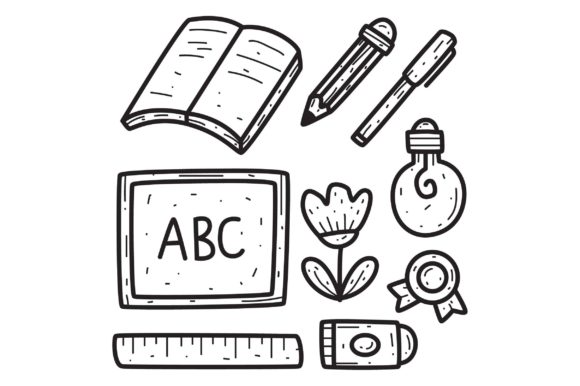
- Cute stationery items (pens, erasers, rulers) with anthropomorphic features
- School buses with smiling grilles and headlights
- Books with arms holding smaller books
- Globes with cheerful expressions
- Backpacks with zipper “teeth” that look like a grinning mouth
These elements are often arranged in a clustered, freeform layout rather than a rigid grid. The composition can feel spontaneous, which works well for posters, stickers, and digital backgrounds where energy and friendliness are desired.
Educators and Classroom Setup
For teachers, a welcoming environment directly influences student engagement. Using kawaii doodle decorations on bulletin boards, name tags, or assignment sheets reduces the intimidation factor of a new classroom. Research in educational psychology suggests that visual warmth, including cute characters, can lower anxiety and foster a sense of belonging. The design files available include SVG and EPS formats, which allow educators to scale the artwork without loss of quality. A teacher can enlarge a doodle character to poster size for a welcome sign or shrink it for a small sticker reward. JPG versions are convenient for quick printing or digital slides when vector editing software is not available.
Content Creators and Digital Designers
Social media influencers, YouTubers, and bloggers focusing on education, parenting, or DIY crafts frequently incorporate kawaii doodle imagery. The aesthetic is highly shareable because it evokes nostalgia and lightheartedness. A thumbnail featuring a Doodle back to school scene can boost click-through rates compared to a plain text or stock photo. Designers appreciate having SVG and EPS files because they allow full customization of colors, shapes, and sizes. For instance, a creator can adjust the hue of a backpack to match a brand palette or delete background elements to create a clean icon.
Small Business Owners and Entrepreneurs
Seasonal marketing campaigns, especially in late summer, rely on back-to-school themes. Small shops selling stationery, planners, or children’s clothing can use kawaii doodle graphics on packaging, hang tags, and social media posts. The friendly style appeals to both parents and children, bridging generational preferences. Because the design comes in multiple formats, a business owner can use the JPG for a quick social media banner, the SVG for a custom die-cut sticker, and the EPS for a large banner sign at a pop-up event. This versatility reduces the need to commission multiple artwork variations.
Hobbyists and Personal Projects
Individuals enjoy using these designs for scrapbooking, bullet journaling, or home decoration. The hand-drawn appearance fits well with analog creative practices. A hobbyist can print a JPG on sticker paper or use the SVG to cut vinyl for a laptop decal. The emotional resonance of a cute doodle helps personalize everyday objects, making mundane tasks like studying or organizing more enjoyable.
Use Cases That Demonstrate Real-World Value
Imagine a fifth-grade teacher preparing a “Meet the Teacher” night. Instead of a standard welcome sign, she prints a large poster featuring a kawaii doodle of a glowing lightbulb with a book and a smiling pencil. The design is scaled from an SVG file, so it remains crisp. Next to it, she places a clipboard with a Doodle back to school themed checklist for parents. The casual yet friendly vibe immediately puts families at ease.
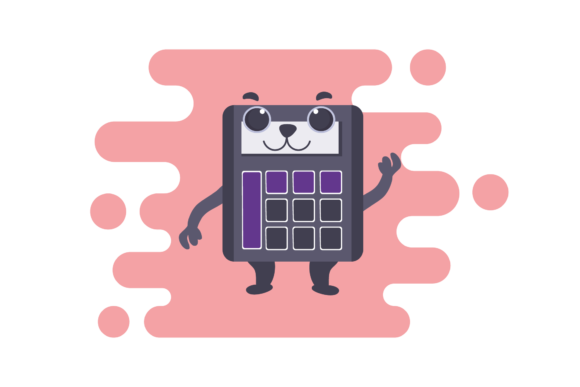
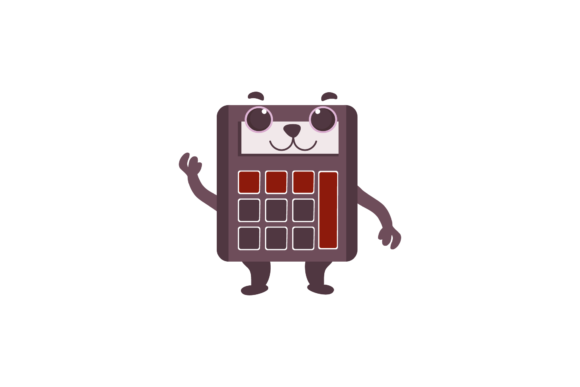
In a digital context, a children’s educational app developer uses the same design pack to create a reward screen. When a child completes a math quiz, a group of kawaii doodle characters (a calculator, a ruler, and a backpack) pops up with confetti and says “Great job!” The developer can convert the EPS file into a sprite sheet because vector formats maintain consistency across different screen resolutions.
A freelance designer on a marketplace lists custom planner stickers. She uses elements from the Kawaii Doodle Cartoon Back to School set to design weekly layouts, packing the margins with tiny smiling apples and pens. The doodles make the planner feel playful, leading to higher customer satisfaction and repeat purchases. Since the files are provided in SVG and EPS, she can tweak the colors seasonally without redrawing everything.
File Format Considerations: SVG, EPS, and JPG
Understanding when to use each format is crucial for maximizing the design’s potential. The offering includes all three, ensuring flexibility.
SVG (Scalable Vector Graphics) is an XML-based vector format that works seamlessly on the web. It is ideal for responsive website graphics, icons, and animations. Since SVG supports transparency and styling through CSS, developers can integrate the doodle characters into interactive elements. For example, a back-to-school countdown widget could feature a SVG doodle of a clock with a cute face that changes expression each day. SVG files are lightweight and can be edited in any text editor or design software.
EPS (Encapsulated PostScript) is a legacy vector format widely used in professional print design. It is preferred by graphic designers working with Adobe Illustrator, CorelDRAW, or similar programs. EPS files preserve high-resolution paths and are safe for commercial printing, such as banners, brochures, and fabric. When a Doodle back to school design needs to be applied to a large wall mural in a kindergarten, EPS ensures the curves remain sharp at any scale.
JPG (Joint Photographic Experts Group) is a raster format that compresses image data. It is best for sharing previews, using in documents like Word or PowerPoint, or uploading to platforms that do not support vectors. Because JPG does not support transparency, it is suitable for backgrounds or full-color illustrations where white edges are not an issue. For quick social media posts or email newsletters, the JPG version of the kawaii doodle pack is a time-saver.
When selecting a file, consider the end use. For printables, EPS or high-resolution JPG works. For web animations or interactive whiteboard activities, SVG is unmatched. For mixed-use projects, having all three gives you backup options if one format behaves unexpectedly in a particular software environment.
Observations on Trends and Emotional Impact
There is a growing movement toward “soft” aesthetics in digital and physical spaces, especially in education and wellness. Kawaii doodle art fits within this trend because it reduces visual noise while maintaining interest. Unlike stark minimalist designs, these illustrations add personality without overwhelming the viewer. The Doodle back to school style specifically taps into the transitional anxiety that many students experience. By associating school items with cute, smiling characters, the art reframes the return to school as a positive, even fun, event.
From a marketing perspective, brands that adopt this style often see higher engagement on platforms like Pinterest and Instagram, where visually appealing and “cozy” content performs well. The handmade feel of doodle art contrasts with sterile corporate imagery, making the brand appear approachable and community-focused. Even large educational publishers have begun incorporating similar styles in workbooks and digital platforms to compete with the charm of indie creators.
One practical observation: the scalability of vector formats is frequently underestimated. A single SVG file can be used on a mobile app icon (100x100 pixels) and a trade show backdrop (10 feet wide) without degradation. This saves time and ensures brand consistency. For those new to vector editing, the JPG versions provide a straightforward entry point, while the EPS files serve as a master source for professional modifications.
Considerations When Using the Design
It is important to respect licensing terms, especially when using the artwork for commercial purposes. Most packs of this nature are sold with either a personal or commercial license, so verify usage rights before incorporating the doodles into products for sale. Additionally, while the designs are versatile, they work best in contexts that match their playful tone. Using them for serious medical or legal communication may undermine credibility.
Another consideration is color consistency. The JPG files may appear slightly different after compression, so for color-critical print projects, rely on the EPS or SVG source and calibrate your monitor. If you plan to modify the doodles extensively, vector formats give you full control over every anchor point and fill.
Finally, while the Kawaii Doodle Cartoon Back to School style is universally appealing, it may be perceived as too childish for older student audiences. In those cases, select elements sparingly—perhaps a small doodle icon in the corner of a study guide rather than a full-page illustration. The goal is to enhance rather than distract.
Bringing It All Together: A Workflow Example
Picture a small team planning an elementary school’s welcome week. They need a series of resources: a printed banner, digital slides for the morning announcement, stickers for new students, and a Facebook cover photo. Using the design pack:
- Banner: Open the EPS file in Illustrator, resize to 4 feet wide, adjust colors to school colors, and export a high-resolution PDF for the print shop.
- Digital slides: Import the SVG version into Canva or Google Slides. The transparent background allows overlaying text. Add a different doodle on each slide for variety.
- Stickers: Use the SVG to cut outlines with a vinyl cutter or print the JPG on sticker paper. The smiling globe and backpack become instant icebreakers.
- Facebook cover: Export a JPG at 820x360 pixels that composites multiple doodles around the school name, creating a cohesive look with minimum effort.
This workflow shows how one design pack, in three formats, can serve multiple purposes while maintaining a consistent visual language. The flexibility encourages experimentation and reduces production time.
Ultimately, the enduring popularity of the Kawaii Doodle Cartoon Back to School and Doodle back to school styles lies in their ability to blend function with emotion. They are not merely decorations; they are tools for connection. By understanding the characteristics, advantages, and best practices for using these files, you can turn a simple illustration into a meaningful part of the back-to-school experience.